
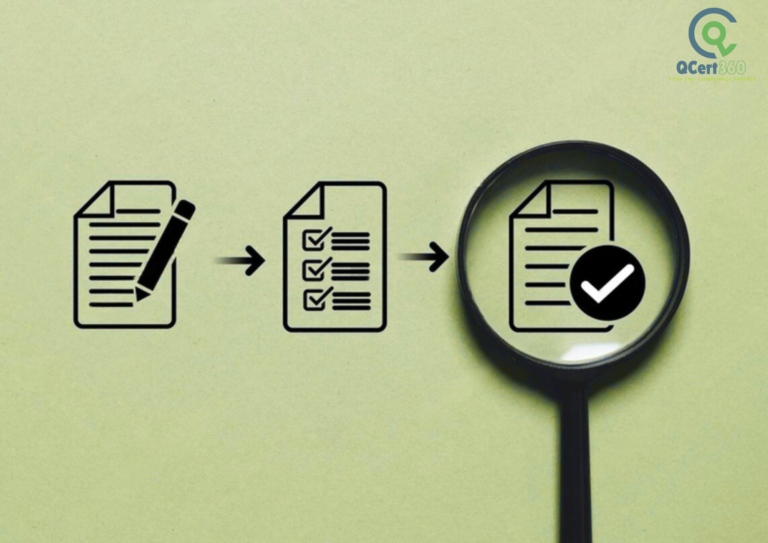
If you’ve ever wondered why documentation is so important in ISO certification, you’re not alone. Many organizations focus on processes and outcomes but underestimate the power of well-prepared paperwork. Yet, ISO certification documentation requirements are at the heart of successful compliance and audits.
Let’s break down what makes ISO documentation so vital, how to prepare it effectively, and why it can make or break your certification journey.
What Is ISO Documentation and Why Does It Matter?
At its core, ISO certification isn’t just about having great products or services; it’s about demonstrating consistent quality and control. That’s where documentation steps in.
ISO documentation refers to all the records, manuals, policies, procedures, and forms that prove your system meets ISO standards. This includes everything from your quality manuals to your internal audit reports.
Why does this matter? Because auditors rely heavily on documentation to verify that your processes are not only designed correctly but actually followed day-to-day.
Without clear documentation, auditors have no evidence. That means your certification can be delayed or denied—even if your operations are solid.
What Are the Key ISO Certification Documentation Requirements?
Each ISO standard comes with its own set of documentation rules, but several key elements are common across most certifications. Understanding and organizing these foundational documents is your first step toward compliance and successful certification.
- Quality Manuals and Procedures: These documents outline your core processes and describe how your organization manages quality. They provide a clear framework to ensure your operations consistently meet ISO standards.
- Work Instructions: Detailed, step-by-step guides that explain how routine tasks should be performed to maintain compliance and quality. These are essential for day-to-day consistency.
- Records: Evidence of activities such as staff training, inspections, internal audits, and corrective actions. These documents prove that your quality system is actively maintained and continually improved.
- Policies: Formal statements expressing your company’s commitment to quality, environmental responsibility, workplace safety, or other ISO-specific areas. These set the tone and expectations for the entire organization.
Getting a solid handle on these key documentation types will help you meet ISO certification documentation requirements efficiently.
How to Prepare ISO Manuals and Procedures the Right Way
Preparing your manuals and procedures can feel like a daunting task, but the key to success is simplicity and clarity. Here’s how to organize ISO documents for certification in a way that supports both your team and external auditors:
- Start Simple: Use clear, straightforward language. Avoid jargon or overly technical terms so everyone on your team can easily understand and follow the instructions.
- Be Consistent: Maintain a uniform format and structure throughout your documents. Consistency helps users navigate easily and keeps your documentation professional.
- Keep It Relevant: Focus on the processes that directly impact compliance and quality. Irrelevant details can clutter your documents and confuse users.
- Include Responsibility: Clearly state who is responsible for each task or process step. Accountability is essential for maintaining compliance.
- Review Regularly: Processes evolve, and so should your documentation. Regular reviews and updates ensure your manuals and procedures stay current and effective.
Following these principles creates documentation that not only passes audits but also improves everyday operations.
What Are Best Practices for ISO Document Control?
Creating documents is just one part of the equation; managing them properly is equally important. Effective ISO document control safeguards the integrity of your quality system and smooths the certification process. Best practices include:
- Version Control: Track every change made to your documents. This way, you always know which version is current and prevent confusion during audits.
- Access Control: Limit editing and approval rights to authorized personnel only. This helps maintain document accuracy and security.
- Easy Retrieval: Store documents in a centralized system where employees and auditors can quickly locate what they need without hassle.
- Archiving: Keep obsolete versions for historical reference, but clearly mark them as outdated to avoid accidental use.
Implementing these controls helps maintain order and transparency, key factors in audit success.
How Document Management Supports ISO Compliance
Good document management for ISO compliance is more than filing papers—it’s the backbone of your entire quality management system. When your documents are well-organized and controlled:
- Everyone follows the same procedures, reducing errors and inconsistencies.
- Internal audits and reviews are faster and more effective since all necessary records are easy to access.
- You create a culture of accountability and continual improvement.
Today, many organizations leverage digital document management systems that simplify version tracking, access controls, and distribution, making compliance easier and more reliable.
What Does an ISO Audit Documentation Checklist Include?
Preparing for an audit can be stressful, but a clear ISO audit documentation checklist helps you stay on track and confident. Your checklist should cover:
- All required manuals, policies, and procedures relevant to your certification.
- Training records and employee competency certifications.
- Internal audit reports demonstrating your own compliance checks.
- Records of corrective and preventive actions taken in response to issues.
- Data monitoring processes that show ongoing performance evaluation.
Having these documents ready before the audit ensures you can quickly respond to auditor inquiries and demonstrate compliance clearly.
Why Is Effective Record Keeping Important for ISO Standards?
Records are the tangible proof that your quality management system works in practice—not just on paper. Effective record keeping demonstrates:
- Consistency over time: Showing that processes are not one-off but ongoing.
- Transparency: Clear evidence of what actions were taken and when.
- Continuous Improvement: Tracking nonconformities and corrective actions proves your commitment to improving.
- Compliance: Satisfying regulatory and standard-specific requirements.
Good record management is crucial for passing audits and maintaining certification long term.
How to Create ISO Certification Documents Step-by-Step
If you’re starting fresh, here’s a straightforward roadmap to create ISO certification documents that meet standards and support your quality system:
- Identify Required Documents: Consult your ISO standard to understand the mandatory documentation you must prepare.
- Gather Existing Information: Collect any current procedures, work instructions, forms, and policies you already use.
- Write Clear Documents: Draft or revise documents using plain language, focusing on areas critical to compliance.
- Get Stakeholder Input: Engage process owners and employees for accuracy and practical insights.
- Train Employees: Ensure everyone understands the documents and their role in compliance.
- Review and Update Regularly: Schedule periodic reviews to keep documentation aligned with actual practices and continuous improvement efforts.
This approach minimizes common pitfalls like inconsistent or incomplete documentation and sets you up for certification success.
Conclusion: The Importance of Documentation in ISO Audits and Certification
In the end, the importance of documentation in ISO audits cannot be overstated. It’s the evidence that turns your quality efforts into tangible proof, allowing auditors to verify compliance efficiently.
Whether you’re tackling ISO 9001, ISO 14001, or any other ISO standard, investing time in your documentation will pay off. It streamlines audits, supports continuous improvement, and ultimately helps you achieve and maintain your ISO certification with confidence.
If you’re ready to strengthen your ISO documentation process or want expert help, consider partnering with experienced consultants who can guide you through every step, ensuring your paperwork stands up to the strictest audits.
Here are 10 FAQs related to ISO certification documentation:
- What types of documents are required for ISO certification?
Typical documents include quality manuals, procedures, work instructions, policies, and records of audits and training. - Why is documentation so important for ISO certification?
Documentation provides evidence that your processes meet ISO standards and are consistently followed, which auditors need to verify compliance. - How often should ISO documentation be reviewed and updated?
It’s best practice to review documentation at least annually or whenever significant process changes occur to ensure accuracy. - Can digital tools help with ISO document control?
Yes, many companies use document management systems to track versions, control access, and simplify retrieval. - What is version control in ISO documentation?
Version control tracks changes made to documents, ensuring everyone uses the latest approved version and maintains audit trails. - Who should be responsible for maintaining ISO documents?
Typically, a designated quality manager or document controller oversees document updates, control, and distribution. - Do all ISO standards require the same documentation?
No, documentation requirements vary by standard, but many core documents like quality manuals and records are common across standards. - How detailed should ISO work instructions be?
Work instructions should be detailed enough for employees to perform tasks consistently but clear and easy to follow. - What happens if documentation is incomplete or missing during an ISO audit?
The auditor may issue non-conformities, which must be addressed before certification can be granted. - Can I prepare ISO documentation without professional help?
It’s possible, but consulting experts can save time, ensure compliance, and improve the quality of your documentation.