
GACP Certification in Colombia – Leading GACP Consultants for Agriculture, Herbal Medicine, Pharmaceutical & Food Processing Companies
GACP Certification in Colombia – Best GACP Certification Company for Reliable Compliance Solutions
Good Agricultural and Collection Practices (GACP) Certification in Colombia is a formal set of guidelines that governs how agricultural crops and wild-collected medicinal plants are grown, harvested, and handled before they enter the supply chain. GACP in Colombia applies to farmers, collectors, processors, and manufacturers who work with plant-based raw materials used in food, herbal medicine, pharmaceuticals, and natural product industries.
The certification exists to close the gap between raw agricultural output and the safety expectations of downstream industries. A batch of herbs or crops that isn’t grown, collected, and stored correctly can carry contamination risks, inconsistent potency, or agrochemical residues — problems that GACP compliance in Colombia is designed to prevent at the source.
What GACP Certification in Colombia Actually Covers
GACP certification in Colombia is built around four core pillars:
Quality Assurance – GACP implementation in Colombia standardizes how plants are cultivated, harvested, and handled after harvest, so every batch meets a consistent quality benchmark rather than varying from farm to farm.
Safety – The framework controls how pesticides, herbicides, and other agrochemicals are used, cutting down the chance that harmful residues end up in the final product.
Sustainability – GACP guidelines in Colombia push farmers and collectors toward practices that protect soil health, biodiversity, and water resources for the long term, not just the current harvest cycle.
Traceability – Every stage of production is documented, so a finished product can be traced back to the exact field, farm, or collection site it came from.
Farmers and collectors seeking GACP accreditation in Colombia follow set protocols at every production stage — from choosing planting material, to applying fertilizers correctly, to harvesting at the right maturity window, to storing and transporting the final product without degrading it.
Because GACP requirements in Colombia can differ slightly by crop, region, and end-use industry, it’s worth working with a GACP certification body in Colombia or a qualified consultant who understands the specific standard your product needs to meet.
GACP Certification Requirements in Colombia
While the exact checklist depends on the certifying body, most GACP certification processes in Colombia follow this general structure:
- Training and Education – Applicants typically go through structured training on good agricultural practices, sustainable cultivation methods, and correct wild-collection techniques before they’re eligible to apply.
- Practical Experience – Depending on the crop or certification level, a minimum amount of hands-on farming or collection experience may be required.
- GACP Documentation in Colombia – Applicants must keep detailed, dated records covering planting methods, agrochemical use, harvesting dates, and post-harvest handling steps.
- Adherence to GACP Guidelines – Compliance covers site selection, crop management, hygiene, environmental protection, and full traceability from field to warehouse.
- On-Site Inspection – A trained auditor visits the farm or collection site to verify that documented practices match what’s actually happening on the ground.
- GACP Audits in Colombia – Certification isn’t a one-time event. Periodic audits confirm the farm or facility is still meeting the standard after certification is granted.
- Fee Payment – Every stage of the process — application, inspection, and issuance — carries an associated cost that varies by certifying body.
GACP Certification Cost in Colombia
There’s no fixed number for GACP certification cost in Colombia because pricing depends on the certifying body, the size of the operation, the crop or plant involved, and how much support the applicant needs. That said, the cost structure generally breaks down into these components:
Application Fee – Covers the administrative work of reviewing your submission and opening the certification file.
Training Costs – If your team needs formal GACP training before the audit, this adds a separate line item depending on the provider and depth of the program.
On-Site Inspection Fee – Auditors charge for travel, time, and assessment work carried out during the physical site visit.
Certification Fee – Once the audit is complete and the farm or facility passes, a fee is charged to issue the actual GACP certification in Colombia.
Corrective Action Costs – If the audit flags gaps, fixing them — new equipment, updated storage, revised documentation — adds to the total spend.
Ongoing Compliance Costs – Certification isn’t permanent. GACP compliance costs in Colombia include the periodic reviews needed to keep the certificate valid.
GACP Renewal in Colombia – Certificates expire on a set cycle, and renewal involves its own reassessment fee.
Because these numbers shift by certifying body and scope, it’s best to request a direct quote rather than rely on a generic estimate — QCert360 can walk you through a cost breakdown specific to your operation.
GACP Audit Process in Colombia
A GACP audit in Colombia is how a certifying body confirms, in practice, that a farm or collection site is actually following the standard — not just documenting it on paper. Here’s how the process typically runs:
- Scheduling – The farmer, collector, or company books an audit date with the certification body.
- Documentation Review – Before visiting the site, the auditor checks existing records covering crop management, agrochemical use, and post-harvest handling.
- On-Site Inspection – The auditor physically walks the farm or collection site, checking site conditions, hygiene, waste handling, and environmental practices against the standard.
- Interviews – Auditors often talk directly with farm staff or collectors to confirm that documented procedures reflect actual day-to-day work.
- Findings and Observations – Any gap between what’s written and what’s practiced gets flagged during the visit.
- Closing Meeting – The auditor shares a preliminary summary of what went well and what needs correction.
- Audit Report – A formal GACP audit report in Colombia is issued, detailing compliance status and any required corrective actions.
- Corrective Action Window – If issues are found, the applicant is given a timeframe to fix them and submit evidence.
- Certification Decision – The certifying body reviews the final report and evidence before approving or denying certification.
- Issuance or Renewal – Once approved, the GACP certification in Colombia is issued, with ongoing audits scheduled to maintain it.
Knowing how to prepare for a GACP audit in Colombia ahead of time — clean documentation, trained staff, and a genuinely compliant site — makes the difference between a smooth pass and a drawn-out corrective action cycle.
Advantages of GACP Certification in Colombia
Enhanced Product Quality – GACP certification in Colombia locks in consistent quality standards across every batch, which strengthens both market value and buyer trust.
Regulatory Compliance – Certified operations align with local and international agricultural regulations, which matters if you’re exporting or selling into regulated industries.
Environmental Sustainability – GACP-driven practices reduce environmental strain and protect resources that future harvests depend on.
Access to Premium Markets – Buyers in pharmaceuticals, cosmetics, and herbal medicine increasingly require GACP-certified raw material, so certification opens doors that uncertified suppliers can’t reach.
Consumer Confidence – A visible GACP certification signals to end buyers that the product behind the label was grown and handled responsibly.
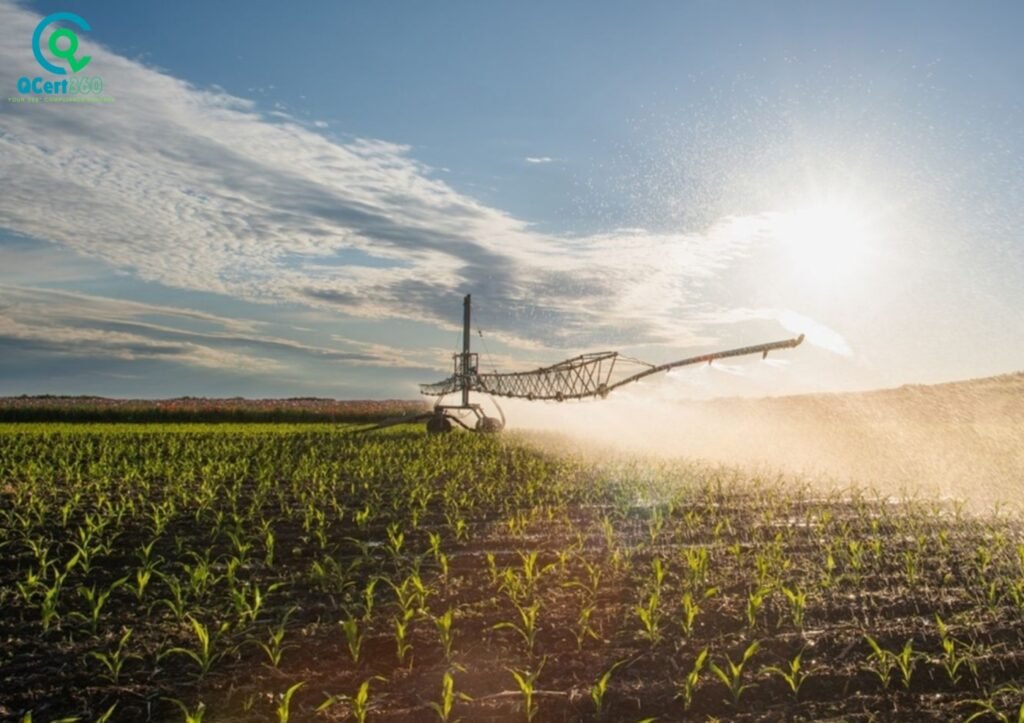
Industries Eligible for GACP Certification in Colombia
GACP isn’t restricted to one sector — it applies to any business that cultivates crops or collects plant material for downstream use:
- GACP for Agriculture Industry – Traditional crop growers producing fruits, vegetables, and grains under sustainable, quality-driven practices.
- GACP for Herbal Medicine Companies – Businesses collecting and processing medicinal plants that go into herbal remedies.
- GACP for Pharmaceutical Companies – Companies cultivating medicinal plant material used as raw input for pharmaceutical products.
- GACP for Food Processing Companies – Processors and manufacturers sourcing agricultural inputs that need a verified compliant origin, closely tied to food and beverage processing and food and farming processing operations.
- GACP for Cosmetics Industry – Brands using natural plant extracts in cosmetics and personal care lines.
- GACP for Tea Industry and GACP for Beverage Industry – Producers of tea and herbal beverages that depend on responsibly sourced raw material.
- GACP for Natural Products Industry and GACP for Dietary Supplement Manufacturers – Companies making natural health products and supplements that need supply chain integrity.
- GACP for Essential Oil Manufacturers and GACP for Aromatherapy Companies – Producers relying on ethically and sustainably sourced plant material for extraction.
- GACP for Floriculture Industry – Growers of ornamental plants and flowers seeking to demonstrate sustainable cultivation.
GACP Consultants in Colombia: Why Businesses Need Them
GACP consultants in Colombia specialize in helping businesses interpret and implement the standard correctly, rather than guessing their way through documentation and audits. A qualified GACP consultancy in Colombia brings:
Expertise and Knowledge – Consultants understand the standard inside out, so businesses don’t waste time misinterpreting requirements.
Compliance Assurance – Working with GACP consulting services in Colombia reduces the risk of failing an audit due to overlooked gaps.
Efficient Implementation – A consultant streamlines the rollout of GACP guidelines, cutting the time it takes to get audit-ready.
Customized Solutions – No two farms or facilities look the same, so consultants tailor their guidance to the specific crop, scale, and market a business is targeting.
Audit Preparation – GACP certification experts in Colombia prepare documentation, train staff, and run mock assessments before the real audit happens.
Working with the best GACP consultants in Colombia typically shortens the certification timeline and reduces the number of corrective actions flagged during the actual audit — which saves both time and money.
How QCert360 Helps You Get GACP Certified in Colombia
QCert360 works as a GACP certification agency in Colombia, guiding businesses through every stage of the process — from initial gap assessment to final certification and renewal. Whether you’re looking for GACP implementation services in Colombia, GACP audit services in Colombia, or ongoing GACP compliance services in Colombia, the process generally follows this path:
- Gap Assessment – QCert360 reviews your current farming or collection practices against GACP requirements in Colombia to identify what needs to change.
- Documentation Support – Our GACP documentation support in Colombia helps you build the records auditors expect to see, from planting logs to harvest tracking.
- Implementation Guidance – We walk your team through the GACP implementation process in Colombia, covering site management, hygiene protocols, and agrochemical handling.
- Pre-Audit Readiness – Before the formal audit, we run an internal review to catch and fix gaps ahead of time.
- Certification Audit Coordination – We coordinate with the certifying body to schedule and support the on-site GACP audit process in Colombia.
- Certification Issuance – Once you pass, you receive your GACP certification in Colombia.
- Ongoing Compliance and Renewal – QCert360 supports periodic audits and GACP renewal in Colombia so your certification never lapses.
If you’re ready to apply for GACP certification in Colombia, or you just want a clear breakdown of GACP certification cost in Colombia for your specific operation, QCert360’s team can walk you through a custom quote and timeline.
Frequently Asked Questions
- What is GACP certification in Colombia?
It’s a certification confirming that a farm or collection site follows Good Agricultural and Collection Practices — standardized guidelines covering cultivation, harvesting, and handling of crops and medicinal plants. - Why is GACP certification important in Colombia?
It assures buyers and regulators that raw plant material was grown, collected, and handled safely, sustainably, and traceably — which is often a prerequisite for entering pharmaceutical, herbal, or export markets. - How much does GACP certification cost in Colombia?
Cost varies by certifying body, farm size, and crop type, covering application, training, inspection, certification, and renewal fees. A direct quote from a certification body gives the most accurate figure. - How to apply for GACP certification in Colombia?
Start with a gap assessment, complete required training, build compliant documentation, pass the on-site audit, and receive certification from an accredited GACP certification body in Colombia. - What are the GACP certification requirements in Colombia?
Training, documented practices, adherence to GACP guidelines, a passed on-site inspection, and ongoing audits to maintain compliance. - What is the GACP audit process in Colombia?
It includes documentation review, an on-site inspection, staff interviews, a findings report, a corrective action window if needed, and a final certification decision. - Which industries need GACP certification in Colombia?
Agriculture, herbal medicine, pharmaceuticals, food processing, cosmetics, tea and beverages, natural products, essential oils, aromatherapy, and floriculture all rely on GACP-certified raw material. - How long does GACP certification take in Colombia?
Timelines vary by preparedness and certifying body, but working with an experienced GACP consultancy in Colombia typically shortens the process by catching gaps before the formal audit. - What are the benefits of GACP certification in Colombia?
Better product quality, regulatory compliance, environmental sustainability, access to premium buyers, and stronger consumer trust. - Who are the best GACP consultants in Colombia?
Look for a GACP certification company in Colombia with proven audit-support experience, clear documentation systems, and a track record across your specific crop or industry — QCert360 offers exactly this kind of end-to-end support.
Our Services
ISO Standards
- ISO 9001 Certification
- ISO 14001 Certification
- ISO 45001 Certification
- ISO 22000 Certification
- ISO 17025 Certification
- ISO 27001 Certification
- ISO 13485 Certification
- ISO 20000-1 Certification
- ISO 41001 Certification
- ISO 22716 Certification
- ISO 50001 Certification
- ISO 22301 Certification
- ISO 29993 Certification
Product Certifications
Other international standards
- FSSC 22000 Certification
- HIPAA
- HACCP Certification
- SA 8000 Certification
- GMP Certification
- GDPR
- GDP Certification
- GLP Certification
- Certificate of Conformity