
Halal Certification in Malta refers to a structured process through which a product or service is verified as permissible or lawful for consumption by Muslims according to Islamic law. Halal is an Arabic word that means “permissible,” and it applies to anything that is allowed under Islamic law, including food, beverages, cosmetics, and even services.
The Halal certification process in Malta typically involves a rigorous inspection of manufacturing or processing facilities, along with a detailed analysis of the ingredients used in the product to ensure full compliance with Islamic dietary laws. This inspection is comprehensive and goes beyond basic checks. It includes evaluating raw material sourcing, handling procedures, storage conditions, and cleanliness standards to ensure that no non-halal elements are introduced at any stage of production.
In addition to ingredient verification, the certification process may also involve a detailed assessment of the company’s internal practices. This includes reviewing the supply chain, vendor approvals, procurement methods, and ethical standards followed by the organization. The goal is to ensure that halal compliance is not just limited to the final product but is maintained consistently across all operational levels.
Halal certification in Malta is important for Muslim consumers who want to ensure that the products they use and consume are permissible according to Islamic law. It provides reassurance and confidence, especially when purchasing processed or packaged goods where ingredient origins may not always be clear.
At the same time, halal certification in Malta is equally important for companies that want to tap into the growing Muslim consumer market. Businesses that obtain certification demonstrate their commitment to meeting the needs of this demographic, which can significantly improve brand trust, market access, and long-term growth opportunities.
The World Health Organization (WHO) does not issue halal certification. Halal certification in Malta is typically provided by independent third-party organizations that are recognized by Islamic authorities.
These organizations are responsible for evaluating whether products, services, and processes meet halal requirements. They operate based on Islamic principles and ensure that certification is granted only when all criteria are satisfied.
There are many different halal certification organizations around the world, and each may have its own certification standards and procedures. Because of this, businesses must carefully choose a certification body that is credible and recognized in their target markets, especially when planning to export products internationally.
It is important to note that the WHO is a global public health organization that works to improve health and well-being worldwide. While the WHO does not issue halal certification, it may provide guidance and support to countries and organizations on issues related to food safety and public health. These guidelines can complement halal certification processes but do not replace the need for formal halal certification.
Understanding who issues halal certification in Malta helps businesses avoid confusion and ensures they engage with the right certification authorities.
Halal Consultants in Malta are professionals who specialize in providing guidance and advice to companies seeking halal certification or looking to enter the halal market. They play an important role in simplifying the certification journey and ensuring that businesses meet all necessary requirements efficiently.
Halal consultants in Malta may work independently or as part of a consulting firm, and they often bring expertise in areas such as food science, Islamic jurisprudence, regulatory compliance, and marketing strategies tailored to halal markets.
The services provided by halal consultants in Malta can vary depending on the needs of the company. Some of the common services provided by halal consultants in Malta include:
It is important to choose a reputable and qualified halal consultants in Malta who has the necessary expertise and experience to meet the specific needs of your company to issue Halal Certification in Malta. Working with the right consultant can reduce delays, avoid compliance issues, and improve the chances of successful certification.
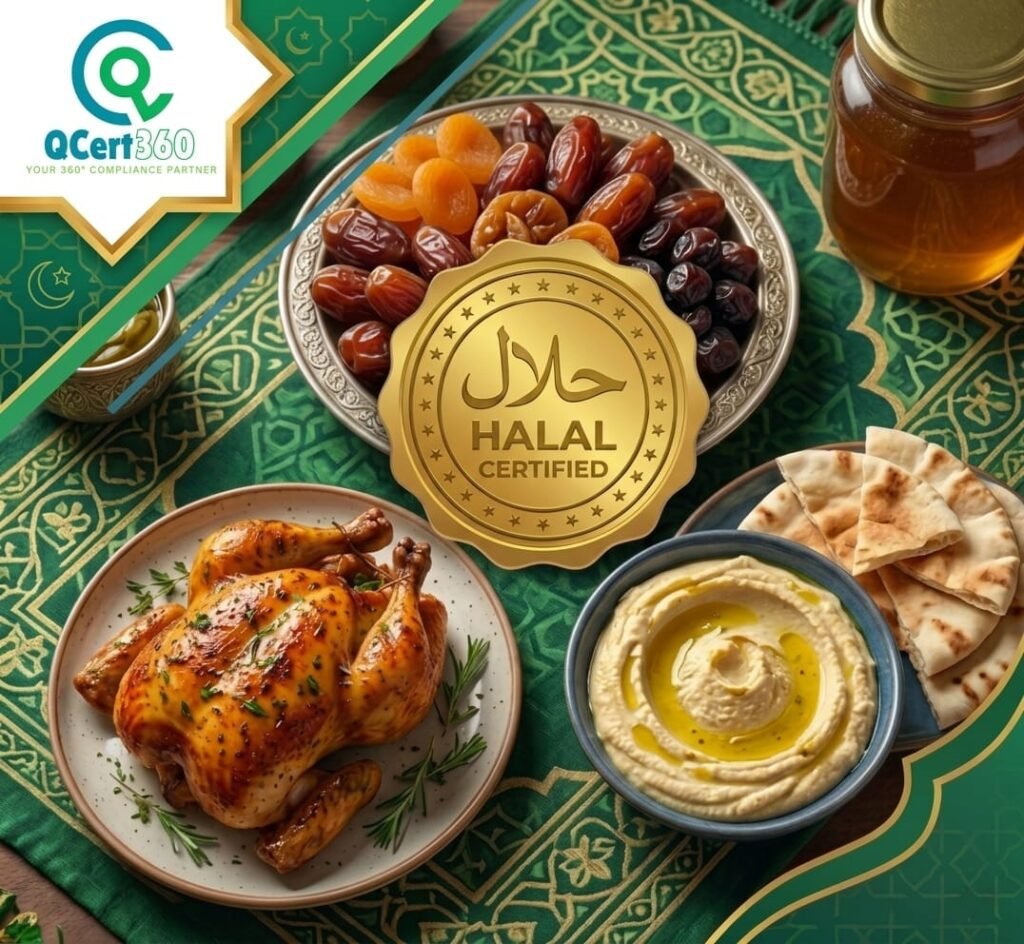
Halal certification requirements in Malta can vary depending on the certification organization. However, there are some general requirements that are commonly included in halal certification standards and must be followed strictly by all businesses.
Here are some of the most important requirements:
It is important to note that the halal certification requirements can vary depending on the product category. For example, the requirements for halal certification of food products may differ from the requirements for halal certification of pharmaceutical products.
Companies seeking halal certification in Malta should work with a reputable halal certification body in Malta with the help of Halal consultants in Malta and ensure that they understand all of the requirements for halal certification in Malta in their target markets.
This step is critical because different markets may have additional expectations, and meeting those requirements early can save time and cost during certification.
Halal certification in Malta can be relevant to a wide range of industries that produce or provide products and services to Muslim consumers or operate in markets where halal products are in demand. It is not limited to food alone—many sectors can benefit from halal certification depending on how their products or services interact with consumer requirements.
Some of the industries that are commonly eligible for halal certification in Malta include both manufacturing and service-based sectors. These industries typically deal with consumables, ingredients, or processes that must comply with halal standards.
Here are some examples of industries that are commonly eligible for halal certification:
• Pharmaceuticals
• F&B Manufacturers
• FMCG Manufacturers
• Animal feed manufacturers
• Traders & Merchants
• Logistics
• Packaging materials
• Air Catering
• Family-Friendly Tourism
• Family-Friendly Medical Tourism
Each of these industries has different requirements when it comes to halal compliance. For example, F&B manufacturers must ensure ingredient-level compliance, while logistics providers must ensure there is no cross-contamination during transportation. Similarly, pharmaceutical companies must verify that all raw materials and processing methods meet halal requirements.
Companies in these industries seeking halal certification in Malta should work with a reputable halal certification body to determine whether their products or services are eligible for Halal certification in Malta. This step is essential because eligibility and requirements may vary depending on the nature of the business and the target market.
The cost of halal certification in Malta can vary depending on several factors, such as the certification body, the country of origin, the type of product, and the complexity of the certification process. There is no fixed pricing model, and costs are usually determined based on the scope and scale of the certification required.
Here are some factors that can influence the cost of halal certification in Malta:
It’s important to note that halal certification in Malta fees can be a significant expense for businesses, especially for small and medium-sized enterprises. However, the cost of certification may be offset by the potential benefits of being able to access halal markets and meet the needs of Muslim consumers. In many cases, the return on investment comes through expanded market reach and increased consumer trust.
If you’re getting confusion ins Why companies get their products halal certified in Malta, the answer becomes clearer when you look at the broader business advantages. Halal certification in Malta is not just about compliance—it is a strategic decision that supports growth and market expansion.
Halal certification in Malta can provide several benefits for businesses and products that cater to Muslim consumers or markets where halal products are in demand. It helps for a larger target market, improves reputation and brand image, improves safety standards, and offers strong competitive marketing advantages.
Here are some potential benefits of halal certification in Malta:
It’s important to note that the benefits of halal certification can vary depending on the industry, the product, and the target market. However, in general, halal Certification can be a valuable tool for businesses that want to reach Muslim consumers and markets where halal products are in demand.
The procedure for obtaining halal Certification in Malta can vary depending on the certification body and the type of product or service being certified. Different certification bodies may follow slightly different approaches, but the overall structure of the halal certification process in Malta remains quite consistent across industries.
However, here are some general steps that are typically involved in the halal certification process in Malta:
It’s important to note that the exact procedure for halal certification may vary depending on the certification body and the specific requirements of the target market. Companies seeking halal certification should work with a reputable halal certification body to determine the specific steps involved in the Halal certification process in Malta.
Taking a structured approach and preparing in advance can significantly reduce delays and improve the chances of successful certification.
The business wishing to obtain Halal Certification in Malta must apply to one of the Certification Bodies with the help of Top 10 Halal Consultants in Malta or choose Best Halal Certification agencies in Malta like Qcert360. These professionals and agencies play an important role in simplifying the certification journey and ensuring that all requirements are met correctly.
They will help you to get your product certified under Halal in Malta by guiding you through each stage of the process, including documentation, compliance checks, audits, and communication with the certification body. Their expertise can help avoid common mistakes and speed up the approval process.
Halal registration in Malta will plays key role in your business success and growth. It not only ensures that your products meet halal requirements but also strengthens your credibility in the market, improves customer trust, and opens doors to new business opportunities in halal-driven markets.
In practical terms, obtaining halal certification in Malta is not just about compliance—it is a strategic move that supports long-term expansion, brand positioning, and access to a wider global consumer base.
Halal Certification in Malta is not legally mandatory, but it is essential for businesses targeting Muslim consumers or exporting to halal-sensitive markets.
Yes, products can be sold without Halal Certification in Malta, but they may not be accepted in halal markets or by Muslim consumers.
Businesses need ingredient lists, supplier details, process flow charts, and facility information when applying for Halal Certification in Malta.
Yes, Halal Certification in Malta applies to cosmetics, pharmaceuticals, packaging materials, and other non-food products.
Yes, Halal Certification in Malta is often required for exporting to Middle East, Africa, and other halal-sensitive regions.
If a company fails a halal audit, corrective actions must be taken before re-evaluation to meet Halal Certification in Malta requirements.
Halal Certification in Malta is accepted internationally if issued by a recognized and accredited certification body.
Yes, logistics companies may require Halal Certification in Malta to ensure no cross-contamination during storage and transportation.
Halal Certification in Malta is usually renewed annually, with audits to ensure continuous compliance.
Yes, Food startups can apply for Halal Certification in Malta, and it can help them enter new markets and build early trust.

Qcert360 is a specialized solutions and services provider, focusing on ISO Certification, management consulting, training programs, assessments, & managed services.
Copyright © 2018-2026 Qcert360. All rights reserved. Developed by Qcert360.

Fill out the form to get your project cost within 1 hour