
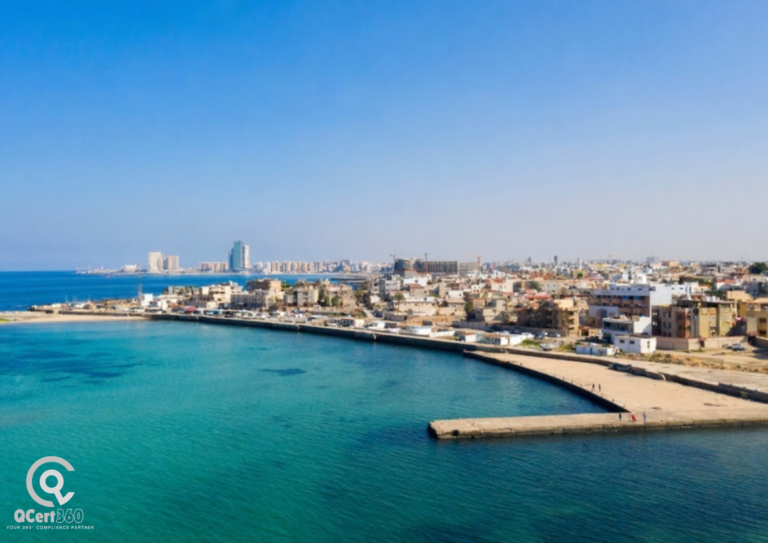
Libya is at a pivotal moment in its economic journey. As the country seeks to rebuild and expand its industrial base, local businesses face stiff competition not only at home but also on the international stage. For Libyan companies aiming to break into global markets, one clear path to success is embracing internationally recognized quality standards—specifically, ISO certifications.
In this article, we’ll explore how ISO certifications can help Libyan companies enhance product quality, streamline operations, and win the trust of foreign buyers. We’ll also look at practical steps for achieving ISO certification in Libya and why it’s increasingly important for exporters to align with these standards.
Why ISO Certifications in Libya matter?
At its core, ISO (International Organization for Standardization) develops global standards that ensure products and services are safe, reliable, and of good quality. For Libyan businesses, obtaining ISO certification signals a commitment to excellence and opens doors to markets that otherwise demand stringent compliance.
Here’s what ISO certification brings to Libya’s business landscape:
- Improved product and service quality that meets international expectations
- Enhanced operational efficiency through standardized processes
- Access to new export markets that require documented quality assurance
- Increased customer confidence and brand reputation both locally and abroad
For example, Libyan manufacturers adopting ISO 9001 Libya manufacturing standards benefit from a structured approach to quality management that minimizes defects and boosts customer satisfaction. This is crucial when competing against global suppliers.
Key ISO Standards Driving Libya’s Market Access
Several ISO standards stand out for their direct impact on Libyan businesses’ global competitiveness:
ISO 9001 – Quality Management Systems
ISO 9001 is the backbone of quality management worldwide. For Libyan manufacturers, service providers, and exporters, it offers a blueprint for consistent product quality, risk management, and continuous improvement. The Libya ISO certification process for ISO 9001 typically involves evaluating existing processes, addressing gaps, training staff, and undergoing a certification audit.
Adopting ISO 9001 helps companies meet customer requirements and regulatory compliance, which are often prerequisites for international tenders.
ISO 14001 – Environmental Management
Environmental concerns are becoming a significant factor in global trade. ISO 14001 helps Libyan industries, especially oil and gas or manufacturing sectors, demonstrate their commitment to reducing environmental impact. Compliance with ISO 14001 environmental Libya standards is increasingly sought by overseas buyers and multinational partners focused on sustainability.
ISO 27001 – Cybersecurity
In an age of digital transformation, protecting information is non-negotiable. Libyan companies handling sensitive data or operating in IT sectors are turning to ISO 27001 cybersecurity Libya certification to safeguard their operations and reassure clients.
The Libya ISO Certification Process: What You Need to Know
Getting certified in Libya is a journey requiring commitment, resources, and expert guidance. Understanding the Libya ISO certification process can help companies plan effectively:
- Initial Gap Analysis
Assess your current processes against ISO requirements to identify areas needing improvement. - Implementation
Develop and document policies, procedures, and controls tailored to your business. - Training
Educate your team to ensure consistent application of the new standards. - Internal Audits
Regular reviews to confirm ongoing compliance and prepare for external audits. - Certification Audit
An independent third party evaluates your compliance before issuing the certification.
Many Libyan firms rely on ISO certification consulting Libya experts to navigate this process smoothly. Consultants bring experience, local knowledge, and a clear roadmap that accelerates certification.
How ISO Certifications in Libya Boosts Libyan SMEs and Exporters
Small and medium-sized enterprises (SMEs) form the backbone of Libya’s economy. For many SMEs, venturing into export markets can be daunting due to competition and regulatory barriers.
ISO certification for Libyan SMEs levels the playing field by proving that these companies meet internationally recognized standards. This not only helps secure new contracts but also strengthens operational discipline and customer satisfaction.
Exporters also gain tangible benefits, as many buyers require documented proof of quality. Aligning with ISO standards for Libyan exporters facilitates smoother customs clearance, reduces delays, and builds long-term partnerships.
Quality Management Drives Market Confidence
Adhering to Libya quality management ISO standards means companies don’t just say they deliver quality—they prove it. This tangible assurance is vital when Libyan businesses compete against established global players.
For industries like manufacturing and oil and gas, quality lapses can have costly consequences. ISO certification minimizes these risks, protects reputations, and creates a culture of continuous improvement.
Overcoming Challenges in Libya’s ISO Certification Landscape
Despite the clear advantages, some Libyan companies face hurdles in pursuing certification:
- Limited local awareness and expertise in ISO standards
- Infrastructure and resource constraints impacting implementation
- Perceptions that certification is costly or bureaucratic
Addressing these challenges requires education, government support, and partnerships with experienced consultants who understand Libya’s business context.
How to Find the Right ISO Certification Consulting in Libya
Choosing a reliable partner can make or break your certification journey. Look for consultants with:
- Proven track record in ISO certification consulting Libya
- Understanding of local market challenges and regulations
- Ability to tailor implementation to your company’s size and sector
- Support through audit preparation and continuous improvement
A good consultant not only prepares you for certification but builds internal capacity to maintain standards long-term.
The Future of ISO Certification in Libya’s Global Ambitions
As Libya looks to re-integrate into global trade, ISO certifications will become indispensable. They represent a commitment to quality, sustainability, and security that foreign buyers increasingly demand.
By embracing ISO certification Libya benefits today, companies position themselves for growth, export success, and a stronger role in the international economy.
Conclusion
ISO certifications offer Libyan businesses a proven path to elevate quality, improve efficiency, and open doors in global markets. Whether it’s adopting ISO 9001 Libya manufacturing standards, embracing ISO 14001 environmental Libya practices, or securing ISO 27001 cybersecurity Libya compliance, the payoff is real.
With expert support, clear planning, and commitment, Libya’s companies can leverage ISO certification as a powerful tool for competitive advantage and sustainable growth.
FAQs: ISO Certification in Libya and Global Market Access
- What are the main benefits of ISO certification Libya?
It improves product quality, enhances operational efficiency, and facilitates access to international markets. - How long does the Libya ISO certification process take?
Typically between 3 to 6 months, depending on company size and preparedness. - Is ISO 9001 mandatory for Libyan exporters?
Not legally, but many international buyers require it as a minimum quality assurance. - Can small businesses in Libya get ISO certified?
Yes, ISO standards are scalable to businesses of all sizes. - What industries benefit most from ISO 14001 in Libya?
Manufacturing, oil and gas, and any sector focusing on environmental sustainability. - How does ISO 27001 improve cybersecurity for Libyan companies?
It establishes a systematic approach to managing sensitive data and reducing security risks. - Are there local ISO certification bodies in Libya?
Libya has accredited bodies and consultants who facilitate certification processes. - What role do consultants play in Libya ISO certification?
They guide companies through gap analysis, documentation, training, and audit preparation. - Does ISO certification help Libyan SMEs compete internationally?
Yes, it signals reliability and quality that global partners value. - How often must ISO certification be renewed?
Usually every three years, with annual surveillance audits to ensure ongoing compliance.