
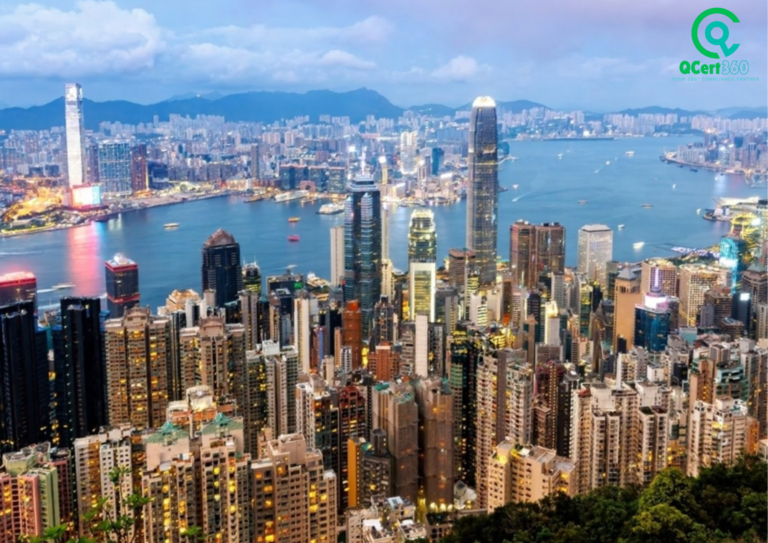
Hong Kong is more than just a bustling city with skyscrapers and a vibrant port. It’s a critical gateway for goods flowing across the Asia-Pacific region. For businesses here—whether manufacturers, exporters, or trading companies—the supply chain isn’t just a backend function; it’s the lifeline that connects you to customers and markets globally.
But what does it really take to stand out and succeed in such a competitive environment? The answer lies in internationally recognized standards—specifically ISO certification. Let’s break down why ISO certification in Hong Kong’s supply chain matters, how it benefits businesses, and how companies like Qcert360 help make certification achievable and profitable.
Why ISO Certification Matters for Hong Kong’s Supply Chain
Hong Kong’s strategic location and well-developed infrastructure have long made it a critical logistics and trading hub for Asia-Pacific. However, the sheer volume of goods moving in and out means buyers, regulators, and partners demand more than just speed and price—they expect quality, reliability, and transparency.
Here’s the thing: when your company has ISO certification Hong Kong supply chain credentials, it sends a clear message that you meet international standards in how you manage operations, quality, security, and risks.
Why does this matter? Because supply chains are under more scrutiny than ever. Delays, safety incidents, or quality issues can ripple across borders and cause costly disruptions. ISO standards help businesses pre-empt these risks by embedding best practices and continuous improvement into daily operations.
For Hong Kong exporters and trading companies, ISO certification is often the first step to unlocking new markets. It provides a trusted framework that foreign partners recognize and respect, making it easier to build long-term relationships and expand your footprint in the Asia-Pacific region and beyond.
What Are the Key ISO Standards Relevant to Hong Kong’s Supply Chain?
When people talk about ISO, they usually mean ISO 9001, which covers quality management systems. But the ISO family is broad and includes standards focused on every link of your supply chain. Here are the most relevant ones for Hong Kong businesses:
- ISO 9001 Certification for Hong Kong Manufacturers: This standard ensures your manufacturing processes consistently produce quality products. It helps identify inefficiencies, reduce waste, and improve customer satisfaction. For exporters, it’s often a baseline requirement for doing business internationally.
- ISO 28000 Supply Chain Security Hong Kong: Security is a growing concern in logistics. ISO 28000 addresses how you protect goods and infrastructure from threats like theft, tampering, or terrorism. It’s critical for companies involved in shipping, warehousing, and transportation.
- Supply Chain Management ISO Hong Kong: More generally, ISO standards guide how companies coordinate suppliers, manage inventory, and oversee distribution. These guidelines create visibility and control over the entire chain, reducing delays and errors.
- ISO Standards Hong Kong Logistics: Apart from quality and security, ISO also touches on environmental responsibility (ISO 14001), occupational health and safety (ISO 45001), and business continuity (ISO 22301). These are vital for logistics companies aiming to meet growing regulatory and buyer demands.
Each of these standards can be certified independently or integrated into a comprehensive management system. The result? A supply chain that’s not just efficient but resilient and trusted worldwide.
How Does ISO Compliance in Hong Kong Help Exporters Win?
If you’re exporting from Hong Kong, you’re navigating a complex web of regulations, customer expectations, and competitive pressures. One of the most common questions we get at Qcert360 is: how does ISO compliance in Hong Kong for exporters actually help my business?
The answer is simple but powerful: ISO certification acts as a passport. It tells overseas buyers, customs officials, and partners that your business follows internationally accepted practices for quality, security, and risk management.
Here’s how it helps:
- Faster Customs Clearance: Many Asia-Pacific countries require documentation proving quality and security compliance before releasing shipments. Having Hong Kong export quality certification tied to ISO standards reduces red tape and speeds up border crossings.
- Improved Buyer Confidence: Buyers want to minimize risk. When your company holds ISO certificates, it lowers their concerns about product defects, delivery delays, or regulatory fines.
- Competitive Advantage: If two companies offer similar products, the one with certified processes and systems often wins the contract. Certifications show professionalism and reduce perceived risk.
- Better Supplier Coordination: Exporters often rely on multiple suppliers and logistics partners. ISO standards improve coordination, traceability, and accountability throughout the supply chain.
- Access to Larger Markets: Some international tenders and contracts explicitly require ISO certification, especially in regulated industries like electronics, food, and pharmaceuticals.
The Tangible Benefits of ISO certification for Hong Kong Businesses
Let’s be clear: getting ISO certification isn’t just a bureaucratic exercise. Companies that invest in these standards see real, measurable benefits:
- Operational Efficiency: Standardized processes eliminate guesswork and inefficiencies, cutting costs and improving output.
- Risk Reduction: By following frameworks like Hong Kong supply chain risk management ISO, businesses identify vulnerabilities and implement controls to mitigate them.
- Market Differentiation: ISO standards provide a recognized mark of quality that can differentiate your products and services in crowded marketplaces.
- Sustainability and Compliance: ISO certifications related to environmental and safety standards help companies comply with tightening regulations and meet corporate social responsibility expectations.
For Hong Kong export quality certification holders, this translates into fewer recalls, less wastage, and more repeat business.
Case Study: How Qcert360 Helped a Hong Kong Electronics Manufacturer Scale in Asia-Pacific
To bring this to life, here’s a real-world example from Qcert360’s work in Hong Kong.
One of our clients, a medium-sized electronics manufacturer in Kowloon, faced challenges common to many exporters:
- Quality inconsistencies from suppliers
- Security concerns during transit
- Difficulty meeting buyers’ ISO requirements in key Asia-Pacific markets
Qcert360 stepped in to guide them through implementing ISO 9001 certification for Hong Kong manufacturers alongside ISO 28000 supply chain security Hong Kong.
We began with a gap analysis that revealed weak points in supplier audits and transport security. Next, we helped draft clear policies, train staff, and improve documentation. Our team managed the entire certification audit process, ensuring compliance and readiness.
Within a year of certification:
- Supplier defects decreased by 40%.
- On-time deliveries improved by 25%.
- The company secured contracts in Singapore and Australia that had previously been out of reach.
The key takeaway? ISO certification is not just about certificates on the wall. It’s about real improvements that open new business doors.
Why Partner with Qcert360 for ISO Certification in Hong Kong?
ISO certification can feel overwhelming without the right expertise. Hong Kong’s business environment is fast-paced, and companies need a partner who understands both the technical standards and local market realities.
Here’s why Qcert360 is the go-to choice for many Hong Kong businesses:
- Local Expertise with Global Reach: We know Hong Kong’s regulatory landscape and Asia-Pacific supply chain nuances inside out.
- Tailored Solutions: No cookie-cutter approaches. We customize ISO certification strategies based on your industry, size, and goals.
- Hands-On Support: From initial gap analysis to training, documentation, and audit management, we’re with you every step.
- Focus on Value: We help clients focus on certifications that deliver measurable business benefits, not just compliance.
- Post-Certification Support: Maintaining certification is as important as achieving it. Qcert360 offers ongoing guidance to keep your systems sharp.
Our work with companies across industries—from trading to manufacturing and logistics—proves the power of a solid ISO foundation in strengthening supply chains.
10 FAQs About ISO Certification for Hong Kong’s Supply Chains
- Why is ISO certification important for Hong Kong exporters?
It enhances credibility and ensures your processes meet international buyer expectations, making market entry smoother. - Which ISO standard should I prioritize for supply chain management?
ISO 9001 is essential for quality management, while ISO 28000 focuses specifically on supply chain security. - How long does ISO certification typically take in Hong Kong?
Usually between 2 to 4 months, depending on your current processes and company size. - Is ISO certification mandatory for Hong Kong trading companies?
Not legally required but increasingly demanded by international clients and tenders. - What are the costs involved in getting ISO certified in Hong Kong?
Costs vary based on certification scope and company size; SMEs can achieve certification affordably with proper guidance. - How does ISO certification improve supply chain risk management?
It helps identify vulnerabilities and implements controls to mitigate risks such as theft, delays, or quality failures. - Can ISO certification help speed up customs clearance in Asia-Pacific?
Yes, by demonstrating compliance with recognized standards, reducing inspections and paperwork. - Do ISO standards cover environmental and safety concerns in logistics?
Absolutely. ISO 14001 covers environmental management, while ISO 45001 addresses workplace health and safety. - How often must I renew ISO certification in Hong Kong?
Typically, certifications last for three years with annual audits to ensure ongoing compliance. - Why choose Qcert360 as my ISO certification consultant in Hong Kong?
We combine deep local knowledge with a practical, results-driven approach tailored to your business needs.
Final Thoughts: What This Really Means for Hong Kong Businesses
Here’s the bottom line: if you’re operating in Hong Kong’s Asia-Pacific supply chain ecosystem, ISO certification isn’t just an optional add-on. It’s a critical tool to improve your operations, manage risk, and stand out in a crowded market.
From manufacturers ensuring product quality to trading companies securing their logistics chain, embracing ISO standards paves the way for growth and resilience.
With partners like Qcert360 guiding the ISO consulting process in Hong Kong, achieving and leveraging ISO certification becomes a strategic advantage rather than a paperwork headache.
If you want to explore how ISO in Hong Kong can transform your supply chain and unlock new markets, reach out today. Let’s build a supply chain you and your customers can trust.
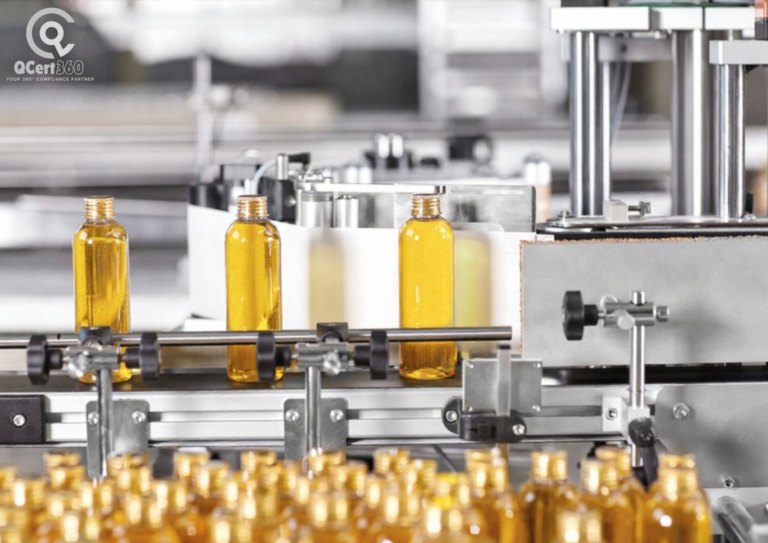
If you’re in the cosmetics business in Southeast Asia, here’s the reality: regulatory compliance isn’t optional anymore—especially if you’re exporting. Whether you run a skincare lab in Bangkok, a personal care product facility in Manila, or a beauty startup in Singapore, GMP certification (Good Manufacturing Practices) is becoming a non-negotiable expectation from regulators, retailers, and consumers.
Let’s break down what this means, how brands in Thailand, Singapore, and the Philippines are getting ahead with it, and what you need to know to stay compliant—and competitive.
Why GMP Certification Matters More Than Ever for cosmetics companies in ASENA
Good Manufacturing Practices (GMP) ensure that cosmetics are consistently produced and controlled according to quality standards. In simpler terms, it’s a blueprint for safety, hygiene, documentation, and traceability—without it, you’re gambling with your brand’s reputation.
In Southeast Asia, the pressure is on. Governments are tightening import-export controls, and platforms like Shopee, Lazada, and Amazon SEA are asking suppliers for quality documentation. Investors and retail chains want assurances that your production line isn’t just good-looking—it’s auditable.
GMP in Thailand: The Role of Thai FDA and ASEAN Harmonization
Thailand’s cosmetics industry is one of the most vibrant in the region. But with popularity comes scrutiny. Thailand FDA cosmetic GMP certification is now mandatory for many categories of personal care and beauty products.
Here’s the deal: If you’re running a cosmetics factory in Thailand, the GMP requirements are heavily aligned with ASEAN Cosmetic Directive standards. That includes:
- Dedicated clean zones for formulation and packaging
- Detailed SOPs for hygiene, equipment calibration, and pest control
- Proper documentation of raw materials and batch records
- Internal audits, staff training, and traceability
Many manufacturers now work with certification consultants who specialize in GMP certification for cosmetics in Thailand to navigate these requirements without delays.
Singapore: Where Precision Meets Compliance
Singapore is known for two things: precision and regulation. It’s no different in the cosmetics manufacturing world. If you’re wondering how to get GMP certified in Singapore for cosmetics, the key is to understand HSA (Health Sciences Authority) expectations and how they align with global best practices.
Skincare brands and personal care exporters in Singapore are seeing growing pressure to prove compliance—especially if they’re targeting markets like Japan, the EU, or the US.
Here’s what Singapore-based brands are focusing on:
- GMP compliance for skincare brands using natural or biotech ingredients
- Upgrading to international GMP standards like ISO 22716
- Working with GMP cosmetic consultants in Singapore to prepare for audits
- Preparing GMP documentation and risk assessments ahead of product launches
Bottom line: Getting GMP certified in Singapore isn’t just about boxes ticked—it’s about building trust with buyers across Asia, Europe, and the Middle East.
Philippines: The Quiet GMP Revolution in Cosmetics
The Philippines cosmetics manufacturing sector is growing rapidly—especially with the rise of indie beauty and private-label skincare. But with that growth comes the challenge of GMP compliance.
The Philippines FDA has issued clear guidelines for GMP for cosmetics, and while not all manufacturers are audited immediately, those that export or sell under a licensed brand must comply.
A few common areas where local producers fall short:
- Incomplete documentation of raw materials and suppliers
- Poor ventilation or hygiene standards in small-scale factories
- Lack of a GMP audit checklist to prepare for surprise inspections
Forward-thinking businesses are investing in training and working with consultants to meet Philippines cosmetic industry GMP standards and gain a competitive edge. This is especially critical if you’re looking to export GMP-certified cosmetics from the Philippines to major markets.
ASEAN GMP: One Certification, Multiple Market Opportunities
Here’s what’s interesting: ASEAN countries have harmonized cosmetic GMP standards through the ASEAN Cosmetic Directive. This means if you’re certified under ASEAN GMP in Thailand, Singapore, or the Philippines, you’re one step closer to exporting across the region with fewer regulatory hurdles.
The ASEAN GMP for cosmetics exporters has three main pillars:
- Premise and Personnel Hygiene
- Equipment Validation and Cleaning Procedures
- Batch Documentation and Quality Assurance
If you’re aiming for regional scale—this is the framework to follow.
Certification for Personal Care Product Manufacturers in Thailand
Thailand’s booming spa and wellness scene is fuelling a surge in personal care product manufacturers. From herbal shampoos to organic scrubs, brands are now required to comply with GMP standards to operate legally and attract B2B buyers.
For Thai producers, certification is now essential to:
- List on e-commerce platforms
- Export to ASEAN or EU markets
- Supply resorts, hotels, and wellness chains
And with growing tourism demand, it’s not just about compliance—it’s about being supplier-ready.
Getting Prepared: The GMP Audit Process
Whether you’re in Singapore, Manila, or Bangkok, GMP audit preparation is a crucial part of the journey. Here’s how most companies approach it:
- Gap analysis to identify weak spots in documentation or processes
- Mock audits led by third-party consultants
- Team training on hygiene protocols, material handling, and record-keeping
- Upgrades to premises if structural issues are found (ventilation, drainage, etc.)
A proper GMP audit checklist for cosmetics is critical. It doesn’t just help with passing the inspection—it also creates a roadmap for long-term operational excellence.
Qcert360: Helping You Get Certified Without the Headaches
Here’s where Qcert360 comes in. We specialize in helping cosmetics manufacturers in Thailand, Singapore, and the Philippines get GMP certified faster and with less stress.
We don’t just hand you templates—we guide you from factory inspection to final audit. Our local partners understand the regional laws, language, and regulatory quirks. Whether you’re looking to meet Thailand FDA cosmetic GMP certification standards or prepare for Singapore’s HSA inspections, we’ve done it all.
Our team helps with:
- Site readiness assessments
- Custom documentation kits
- Onsite and virtual training
- End-to-end certification support
Want to start exporting? Let’s get your GMP in order first.
Final Thoughts
For cosmetics manufacturers in Southeast Asia, GMP certification is no longer a “nice to have.” It’s a signal of quality, reliability, and safety—and it opens doors to global markets.
Whether you’re producing in Thailand, innovating in Singapore, or scaling from the Philippines, the path to certification is clear. And with the right support, it’s entirely achievable.
10 Frequently Asked Questions (FAQs)
- What is GMP certification for cosmetics?
GMP stands for Good Manufacturing Practices. It’s a quality system ensuring cosmetic products are consistently produced and controlled according to safety and hygiene standards. - Is GMP certification mandatory in Thailand?
Yes, the Thailand FDA requires GMP compliance for certain categories of cosmetic products, especially those meant for export or commercial sale. - How do I get GMP certified in Singapore for cosmetics?
Start with a gap analysis, prepare required documentation, ensure your facility meets hygiene standards, and coordinate with Singapore’s HSA or a third-party certification body. - What are the GMP requirements for cosmetic factories in Thailand?
Key requirements include clean premises, trained staff, controlled processes, equipment calibration, hygiene procedures, and detailed documentation. - What role do consultants play in GMP certification?
Consultants help assess your current setup, train your team, prepare documentation, and ensure you meet all compliance checkpoints before the audit. - Is there a standard GMP checklist I can follow?
Yes. A typical GMP audit checklist includes facility layout, SOPs, hygiene practices, documentation, and corrective actions for non-conformities. - Are Philippines cosmetic manufacturers required to be GMP compliant?
While not mandatory for all, GMP is highly recommended, especially if the products are branded, exported, or sold at scale. - What is ASEAN GMP?
ASEAN GMP refers to harmonized Good Manufacturing Practice standards adopted by Southeast Asian nations to streamline cosmetics regulation and trade. - Can I export cosmetics from the Philippines without GMP certification?
Technically yes, but many international buyers require GMP compliance as part of their procurement and quality standards. - How can Qcert360 help with GMP certification?
Qcert360 offers hands-on support for GMP certification including site assessments, training, documentation, and audit preparation tailored to your country and market.